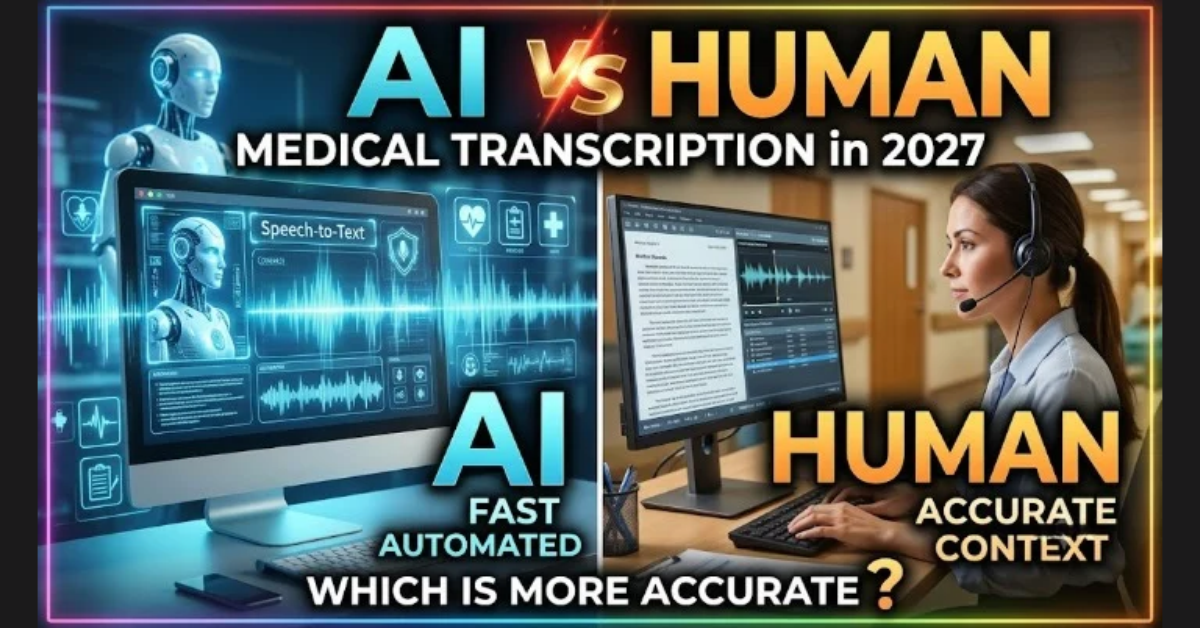
AI translation tools are faster and cheaper than ever in 2026, but human translators still deliver superior accuracy, cultural understanding, and localization quality for professional Chinese translation projects. For legal, medical, marketing, and business content, the most effective solution is usually a hybrid workflow that combines AI efficiency with expert human review.
Why Chinese Is One of the Hardest Languages for AI Translation?
Chinese remains one of the most complex languages for machine translation because meaning depends heavily on context, tone, sentence structure, and cultural nuance. A single Chinese phrase can carry multiple meanings depending on how and where it is used.
Unlike many Western languages, Chinese also involves:
Regional differences between Mainland China, Taiwan, Hong Kong, and Singapore
Simplified vs Traditional Chinese
Formal and informal communication styles
Idioms and cultural references
Business etiquette and localized phrasing
Even advanced AI systems can struggle to interpret these subtleties accurately. This is why businesses still rely heavily on professional Chinese translators for high-stakes communication.
How AI Chinese Translation Has Improved in 2026
AI-powered translation technology has evolved dramatically over the last few years. Modern neural machine translation tools can now process large amounts of text within seconds and produce surprisingly fluent translations for simple content.
Today, businesses commonly use AI translation for:
Internal documents
Product catalogs
Customer support responses
Website drafts
User-generated content
Large-scale multilingual workflows
AI tools are especially useful when speed and scalability are priorities. Companies handling thousands of pages of content can significantly reduce turnaround times using AI-assisted translation systems.
However, fluency does not always equal accuracy.
Many AI translations sound correct at first glance but contain subtle contextual mistakes, unnatural phrasing, or culturally inappropriate wording that native Chinese readers immediately notice.
Human vs AI Chinese Translation: Key Differences
Comparison Table
Why Human Translators Still Lead in Accuracy?
When discussing AI vs human translation for Chinese, accuracy is still the biggest advantage human linguists hold.
Chinese is highly context-dependent. The same word or phrase may completely change meaning depending on surrounding text, tone, or cultural situation. AI systems often translate literally, while human translators understand the intended message behind the words.
This becomes critically important for:
Legal contracts
Medical documents
Financial reports
Business negotiations
Academic research
Compliance materials
A small translation error in these industries can lead to:
Legal disputes
Financial losses
Regulatory problems
Brand damage
Miscommunication with clients
Professional human translators provide contextual understanding, editorial review, and localization expertise that AI still struggles to replicate consistently.
Cultural Understanding Is Where Humans Win
Translation is not just about converting words from one language into another. It is about communicating naturally and appropriately to the target audience.
Chinese consumers often interpret messaging differently depending on:
Tone
Formality
Regional culture
Social hierarchy
Brand positioning
Emotional nuance
For example, a marketing slogan translated directly by AI may sound awkward, overly literal, or culturally disconnected to native Chinese audiences.
Human translators adapt content so it feels natural and persuasive within the local culture. This process is called localization, and it is essential for businesses entering Chinese-speaking markets.
This is one of the main reasons why companies still prefer human translators for:
Advertising campaigns
Website localization
Product branding
Customer-facing communication
Public relations materials
Where AI Translation Works Best
Despite its limitations, AI translation absolutely has valuable business applications.
AI works best when content is:
High-volume
Low-risk
Repetitive
Time-sensitive
Informational rather than emotional
Best Use Cases for AI Chinese Translation
AI translation is highly effective for:
Internal company documents
Basic product descriptions
Large knowledge bases
Draft translations
Technical data sheets
User manuals
Simple customer support
Businesses can dramatically reduce costs and turnaround times by using AI for first-pass translations before human review.
When Human Chinese Translators Are Essential?
There are many situations where relying solely on AI creates serious risk.
Human Translation Is Best For:
Legal Translation
Contracts, court documents, compliance paperwork, patents, and agreements require exact wording and legal precision.
Medical Translation
Healthcare records, clinical studies, pharmaceutical materials, and patient instructions must be translated accurately to avoid dangerous misunderstandings.
Financial Translation
Investment reports, banking documents, and financial disclosures demand precision and industry expertise.
Marketing Localization
Marketing content depends heavily on emotional tone, cultural resonance, and persuasive messaging.
Executive & Business Communication
Professional relationships can suffer if tone or etiquette is translated incorrectly.
For these high-stakes projects, professional human translators remain the safest and most reliable option in 2026.
What AI Still Struggles With in Chinese Translation?
Even the best AI translation tools still face major challenges with Chinese language complexity.
Common AI Translation Weaknesses
Idioms & Expressions
Chinese idioms often lose meaning when translated literally.
Regional Dialects
Mandarin usage differs significantly across Mainland China, Taiwan, Hong Kong, and overseas Chinese communities.
Cultural Context
AI may misunderstand social etiquette, symbolism, or culturally sensitive language.
Industry Terminology
Specialized legal, medical, or technical terminology may be translated incorrectly.
Tone & Formality
AI frequently struggles to match the appropriate communication style.
Ambiguity
Chinese sentence structures often require contextual interpretation that AI cannot reliably infer.
These limitations explain why AI-generated Chinese content still requires human editing for professional use.
Can ChatGPT Translate Chinese Professionally?
AI systems like OpenAI and advanced language models can produce fluent Chinese translations for simple or conversational content. However, professional translation requires far more than grammatical correctness.
For enterprise-grade Chinese localization, businesses still need:
Human quality assurance
Native-speaking reviewers
Cultural adaptation
Terminology consistency
Industry expertise
Legal and compliance accuracy
AI can accelerate workflows, but fully automated professional Chinese translation remains unreliable for many business-critical applications.
Hybrid Translation Is Becoming the Industry Standard
In 2026, the most effective translation workflows combine AI efficiency with human expertise.
This hybrid model allows businesses to:
Translate content faster
Reduce costs
Maintain professional quality
Scale multilingual operations
Improve turnaround times
A common workflow now looks like this:
AI generates the initial draft
Human linguists review the translation
Editors localize tone and culture
Quality assurance specialists verify accuracy
This approach delivers both speed and reliability.
How Businesses Should Choose a Chinese Translation Service
Before choosing AI or human translation, businesses should evaluate:
1. Content Sensitivity
Is the content legally, financially, or medically important?
2. Audience Expectations
Will native Chinese readers evaluate your professionalism based on the translation quality?
3. Brand Reputation
Poor localization can damage trust and credibility.
4. Budget vs Risk
Lower translation costs may create higher long-term business risks.
5. Turnaround Time
Some projects require speed, while others prioritize precision.
For most organizations, the ideal solution is not AI versus humans, it is using both strategically.
The Best Chinese Translation Method in 2026
The future of Chinese translation is not fully automated, nor is it entirely manual.
AI technology continues to improve rapidly, especially for large-scale multilingual content workflows. However, human translators remain essential for ensuring:
Contextual accuracy
Cultural relevance
Localization quality
Professional tone
Industry precision
The best Chinese translation method in 2026 is typically a hybrid approach where AI handles speed and volume while human experts refine, localize, and validate the final output.
Businesses that balance automation with human expertise achieve the best results.
Conclusion
AI translation tools have transformed the language services industry, but Chinese remains one of the most difficult languages for machines to fully understand. While AI offers impressive speed, scalability, and affordability, human translators continue to provide superior accuracy, cultural intelligence, and localization quality for professional communication.
For businesses operating in Chinese-speaking markets, the smartest strategy in 2026 is not choosing AI over humans. It is combining the strengths of both.
Organizations that use AI-assisted translation together with professional human review can scale globally while still maintaining trust, accuracy, and cultural relevance.
Best Translation Services
English to Indonesian Translation | English to Spanish Translation | English to Italian Translation | English to Russian Translation | English to Danish Translation | English to Vietnamese Translation | English to Japanese Translation | English to Finnish Translation | English to Dutch Translation | English to Arabic Translation | English to Norwegian Translation | English to Greek Translation.
FAQs
1. Is AI translation better than human translation for Chinese in 2026?
AI translation is faster and cheaper for basic content, but human translators remain more accurate for professional, legal, medical, and culturally sensitive Chinese translation projects.2. How accurate is AI Chinese translation today?
Modern AI translation tools are highly effective for simple and repetitive text, but they still struggle with context, idioms, tone, and specialized terminology in Chinese.3. When should businesses use human Chinese translators?
Human translators should be used for legal documents, healthcare materials, financial reports, marketing campaigns, contracts, and customer-facing communication where accuracy is critical.4. Is AI translation cheaper than human translation?
Yes. AI translation usually has lower upfront costs. However, poor translations can create expensive mistakes, making human-reviewed translation more cost-effective long term.5. What are the biggest risks of AI Chinese translation?
The main risks include mistranslated context, cultural misunderstandings, incorrect terminology, awkward phrasing, and potential damage to brand credibility.6. Why is Chinese difficult for AI translation?
Chinese relies heavily on context, sentence structure, tone, regional variation, and cultural nuance, making it significantly harder for AI systems to interpret accurately.7. What is the best Chinese translation method in 2026?
For most businesses, the best solution is a hybrid workflow that combines AI-generated drafts with professional human editing and localization.
Nishi Singh
(Content Writer & SEO Manager)
She is an SEO Manager with over 8 years of experience in marketing and content creation. She specializes in SEO, content strategy, and paid advertisements, helping website owners across SaaS, B2B businesses, and e-commerce platforms achieve measurable growth. With a strong focus on driving organic traffic and crafting impactful content, Nishi has established herself as a trusted expert in the digital marketing space. When she's not optimizing websites, she channels her energy into marathon running, embracing challenges both on and off the track.